Azure

Azure Cloud Fundamentals to Real-World Infrastructure

Hands-On Learning Path

Microsoft Azure is a leading cloud platform for building secure, scalable, and production-ready infrastructure for enterprises and startups alike.

This Azure learning hub is designed to guide you from cloud fundamentals to real-world Azure implementations, using hands-on labs, diagrams, and practical examples. It is not a collection of disconnected tutorials; it is a structured learning path.

If your goal is to understand Azure properly, not just follow commands, this page shows you exactly where to start and how to progress.

What You’ll Learn on This Page

By following this Azure learning path, you will understand:

Step 1 - Cloud Fundamentals

Before deploying anything in Azure, it’s important to understand what cloud computing actually is and how Azure fits into the broader cloud ecosystem.

This foundation prevents common beginner mistakes such as poor network design, insecure architectures, and inefficient scaling decisions.

👉 Start here:

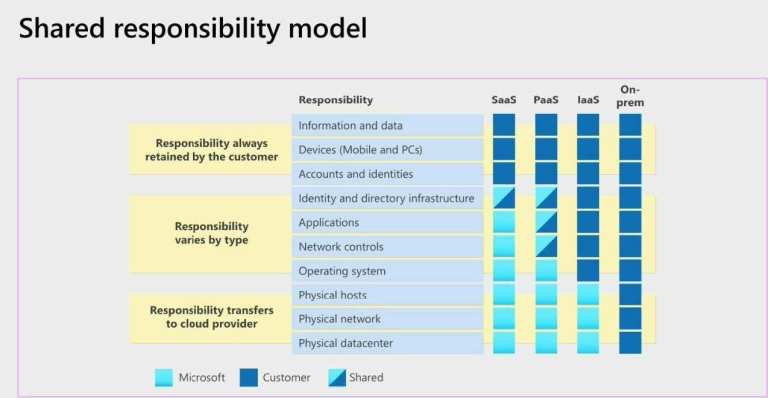
Cloud Computing Explained: Models, Architecture, Security, and Real-World Use

Modern businesses rely on technology to operate, scale, and compete. Traditionally, this meant...
In this guide, you’ll learn:

Step 2 - Azure Networking Fundamentals

Networking is the backbone of every Azure environment.
Virtual networks, subnets, and resource tagging form the foundation for security, scalability, and governance.

This step focuses on building clean, production-ready Azure networks before introducing compute, security, or automation.

Core lab:

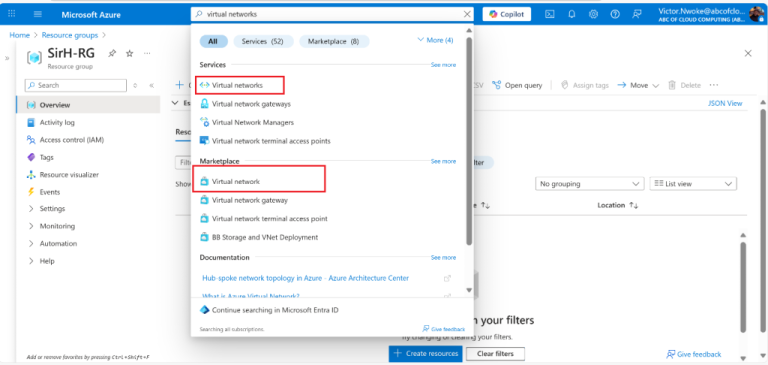
Setting Up Clean Azure VNets, Subnets & Tagging

A Practical Lab Guide from Beginner to Pro. Behind every secure, reliable, and scalable Azure...
This lab covers:

⚠️ This step is a prerequisite for Azure compute, security, and automation topics.

Step 3 – Infrastructure as Code on Azure

Modern Azure environments are not built manually.

They are defined, versioned, and deployed using Infrastructure as Code (IaC). This ensures consistency, security, and repeatability across environments.

Terraform and Bicep are two of the most widely used tools for automating Azure infrastructure in real-world environments.

This step introduces how Azure infrastructure is deployed using code rather than clicks.

Core labs:

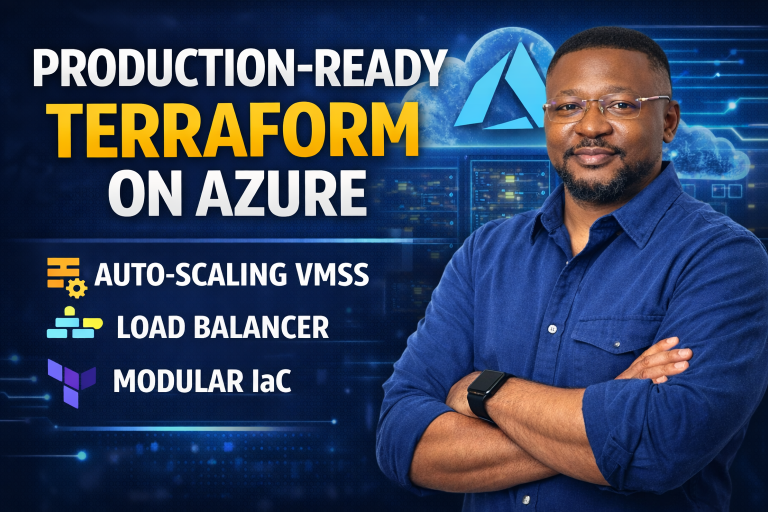
How to Build a Production-Ready Auto-Scaling Azure Web App with Modular Terraform (VMSS, Load Balancer & NAT Gateway)

From Basic Terraform to Production IaC: Building an Auto-Scaling Azure Web App with Modular...
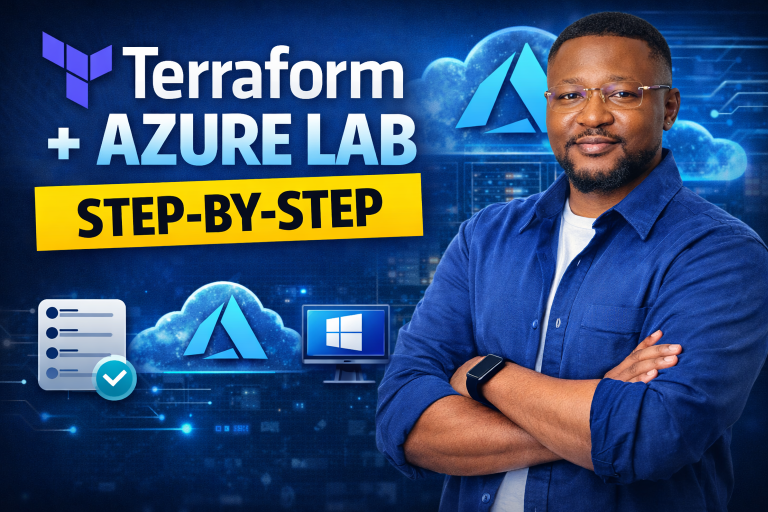
Terraform Azure Tutorial: How to Create Resource Groups, VNets, Subnets, NSGs, and VMs Step‑by‑Step IaC

Terraform on Azure: Building a Real-World Infrastructure from Scratch. Terraform is not just another...
Deploying a Scalable Azure Environment with Bicep: VMs, NSGs, Subnets & Load Balancer (Step-by-Step Lab)

A hands-on IaC walkthrough using VS Code and Bicep to build a secure, highly available Azure...

Automating Azure Infrastructure with Bicep: A Hands-On IaC Lab Using VS Code

Deploying VNets, VMs, IAM, Policies, Monitoring, and Governance using Infrastructure as Code. Manual...

In this lab, you’ll learn:

Step 4 – Azure Security, Identity & Governance

Secure Azure environments rely on strong identity controls, governance, and monitoring, not just firewalls.

This step focuses on protecting Azure resources using native Azure services and best practices.

Recommended topics:

Azure Policy, Tags, and Resource Locks Explained: A Complete Governance Guide for Cloud Engineers

Effective governance is essential as cloud environments grow. Without proper controls, organizations...

Microsoft Entra Conditional Access Explained: MFA, Location Controls, and the What If Tool (Full Lab Guide)

How Conditional Access Evaluates Sign‑Ins Behind the Scenes Microsoft Entra ID (formerly Azure...
How to Set Up Azure Monitor Alerts, Action Groups, and Processing Rules (Step‑by‑Step Guide)

Modern cloud environments generate constant signals, metrics, logs, and events. Without proactive...

These labs show how production environments enforce:

Step 5 – Secure & Scalable Azure Architectures

Once the fundamentals, networking, and security are in place, you can move into secure and scalable infrastructure designs.

This step focuses on building environments that are resilient, repeatable, and production-ready.

Key labs include:

Build a Secure Azure Environment in Minutes with Bicep: VMs, Networking, Private Endpoints & Blob Replication

A hands-on Infrastructure-as-Code lab deploying a production-ready Azure environment from a single...

Securing Azure Blob Storage with PowerShell: Network Isolation, SAS Access & Immutable Policies (Beginner to Pro)

A hands-on lab automating secure Azure Blob Storage using VNets, subnets, SAS tokens, and...

Deploying a Scalable Azure Environment with Bicep: VMs, NSGs, Subnets & Load Balancer (Step-by-Step Lab)

A hands-on IaC walkthrough using VS Code and Bicep to build a secure, highly available Azure...
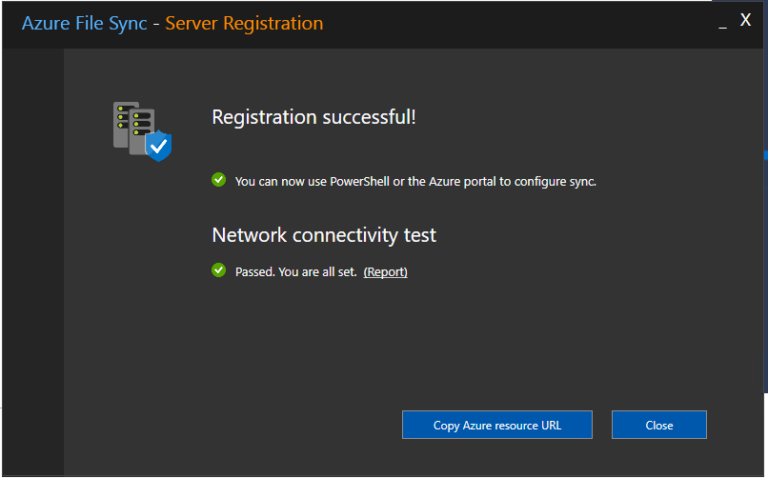
How to Configure Azure File Sync

For many years, organizations have relied on traditional methods of sharing files, most commonly...

Step 6 – Real-World Azure Deployments

The final step demonstrates how Azure is used in real production scenarios.

These labs combine networking, compute, security, monitoring, and automation into complete environments.

Recommended advanced labs:

How to Build a Production-Ready Auto-Scaling Azure Web App with Modular Terraform (VMSS, Load Balancer & NAT Gateway)

From Basic Terraform to Production IaC: Building an Auto-Scaling Azure Web App with Modular...
Azure Web App Zero-Downtime Deployment: A Hands-On Guide to Deployment Slots, Auto Scaling, and Load Testing

A practical Azure App Service lab covering staging slots, slot swaps, autoscaling, and traffic...

Building Golden Images with Azure Compute Gallery: Custom VM Image Creation & Deployment (Hands-On Lab)

A step-by-step Azure lab for creating, versioning, and deploying standardized VM images at scale...
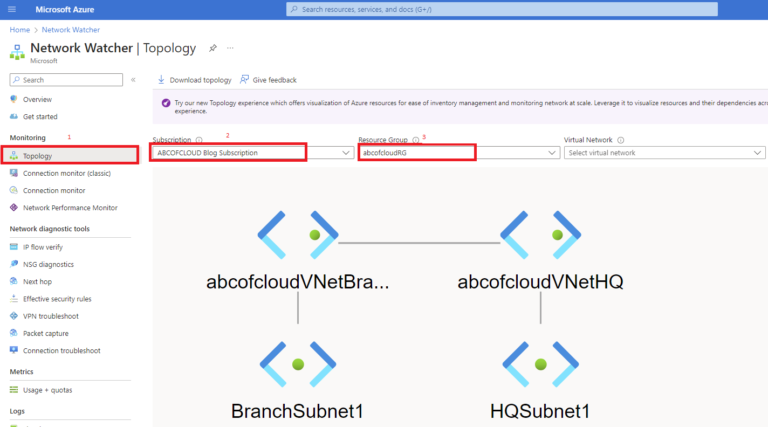
How To Configure Virtual Network Peering in Azure

In modern Azure environments, it is common to deploy resources across multiple virtual networks...
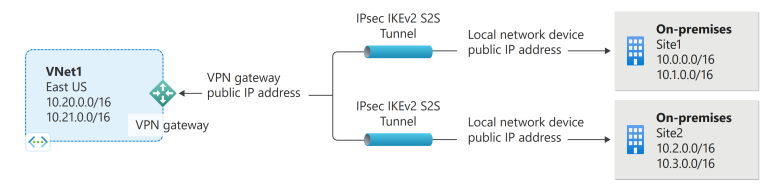
How to Configure Site-to-Site VPN Connection on Azure

In many real-world cloud environments, organizations need to securely connect their on-premises...
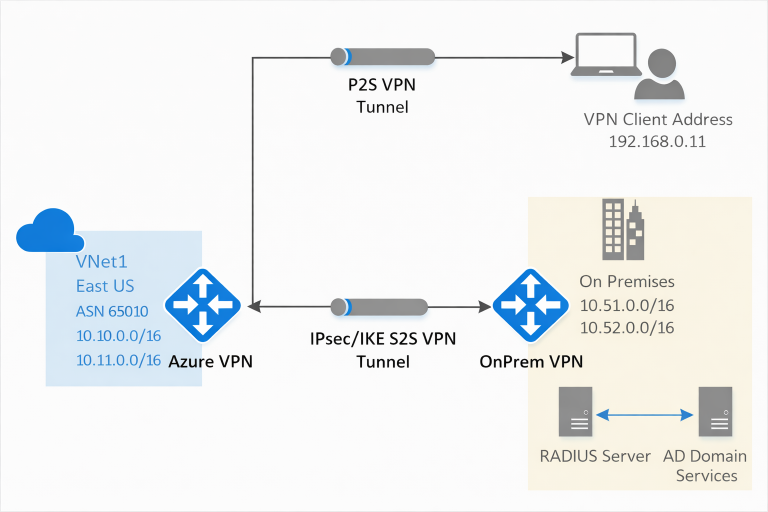
How to Set Up a Secure Point-to-Site VPN in Azure

A Hands-On Azure Networking Lab: Virtual Networks, VPN Gateway, and Certificate Authentication...

How These Skills Are Used in Real Azure Environments

In production environments, these concepts are combined to build:

These foundations are extended using tools such as:

As you progress, you’ll naturally move into advanced Azure topics such as security hardening, scalable architectures, monitoring, and automation.

How to Use This Azure Learning Path

To get the most value from this section:

All content is educational and informational. No products or paid services are sold.

Closing

Azure is not just a collection of services; it is a platform built on networking, identity, governance, and automation.

This Azure learning path exists to help you understand how Azure environments are actually designed and operated, so your skills remain relevant, transferable, and production-ready.

We use cookies to personalise content and ads, to provide social media features and to analyse our traffic. We also share information about your use of our site with our social media, advertising and analytics partners. View more
Cookies settings
Accept
Decline
Privacy & Cookie policy
Privacy & Cookies policy
Cookie name Active

Who we are

Suggested text: Our website address is: https://humbletech.cloud.

Comments

Suggested text: When visitors leave comments on the site we collect the data shown in the comments form, and also the visitor’s IP address and browser user agent string to help spam detection. An anonymised string created from your email address (also called a hash) may be provided to the Gravatar service to see if you are using it. The Gravatar service Privacy Policy is available here: https://automattic.com/privacy/. After approval of your comment, your profile picture is visible to the public in the context of your comment.

Media

Suggested text: If you upload images to the website, you should avoid uploading images with embedded location data (EXIF GPS) included. Visitors to the website can download and extract any location data from images on the website.

Cookies

Suggested text: If you leave a comment on our site you may opt in to saving your name, email address and website in cookies. These are for your convenience so that you do not have to fill in your details again when you leave another comment. These cookies will last for one year. If you visit our login page, we will set a temporary cookie to determine if your browser accepts cookies. This cookie contains no personal data and is discarded when you close your browser. When you log in, we will also set up several cookies to save your login information and your screen display choices. Login cookies last for two days, and screen options cookies last for a year. If you select "Remember Me", your login will persist for two weeks. If you log out of your account, the login cookies will be removed. If you edit or publish an article, an additional cookie will be saved in your browser. This cookie includes no personal data and simply indicates the post ID of the article you just edited. It expires after 1 day.

Embedded content from other websites

Suggested text: Articles on this site may include embedded content (e.g. videos, images, articles, etc.). Embedded content from other websites behaves in the exact same way as if the visitor has visited the other website. These websites may collect data about you, use cookies, embed additional third-party tracking, and monitor your interaction with that embedded content, including tracking your interaction with the embedded content if you have an account and are logged in to that website.

Who we share your data with

Suggested text: If you request a password reset, your IP address will be included in the reset email.

How long we retain your data

Suggested text: If you leave a comment, the comment and its metadata are retained indefinitely. This is so we can recognise and approve any follow-up comments automatically instead of holding them in a moderation queue. For users that register on our website (if any), we also store the personal information they provide in their user profile. All users can see, edit, or delete their personal information at any time (except they cannot change their username). Website administrators can also see and edit that information.

What rights you have over your data

Suggested text: If you have an account on this site, or have left comments, you can request to receive an exported file of the personal data we hold about you, including any data you have provided to us. You can also request that we erase any personal data we hold about you. This does not include any data we are obliged to keep for administrative, legal, or security purposes.

Where your data is sent

Suggested text: Visitor comments may be checked through an automated spam detection service.
Save settings
Scroll to Top