Windows Server

Windows Server Administration: From Deployment to Active Directory Management

Windows Server remains a core platform in enterprise IT environments, powering identity, access control, file services, and virtualization infrastructure.

This Windows Server learning hub is designed to take you from initial deployment to real-world administration, focusing on how Windows Server is used in production environments, not just labs.

If your goal is to understand enterprise Windows administration clearly and practically, this page shows you where to start and how to progress.

What You’ll Learn

By following this Windows Server learning path, you’ll understand:

Step 1: Deploying Windows Server

Every enterprise Windows environment starts with a correctly deployed and configured server.

This step focuses on preparing Windows Server properly before introducing Active Directory or advanced services.


Core lab:

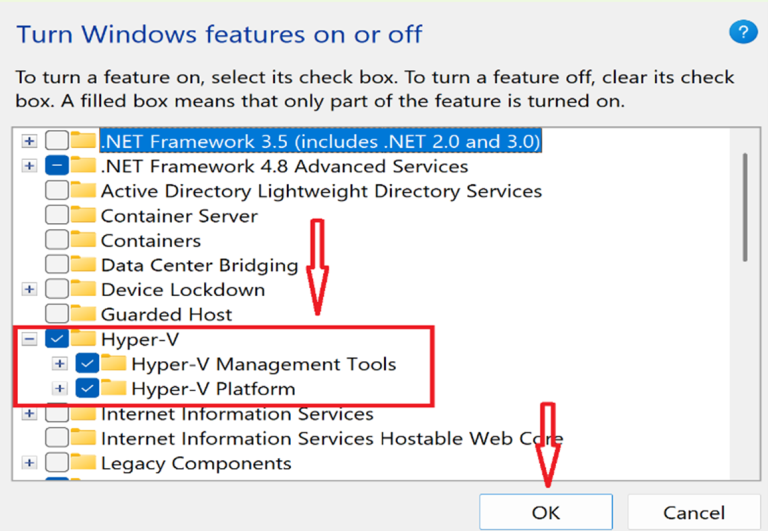
Deploying Windows Server on Hyper‑V with Static IP Configuration

Building reliable, scalable infrastructure starts with mastering the fundamentals. I revisited one...
What this lab covers

Step 2: Active Directory Domain Services (AD DS)

Active Directory is the backbone of identity and access management in Windows environments.

This step focuses on understanding how AD DS is structured and how domains are deployed correctly.

Core lab:

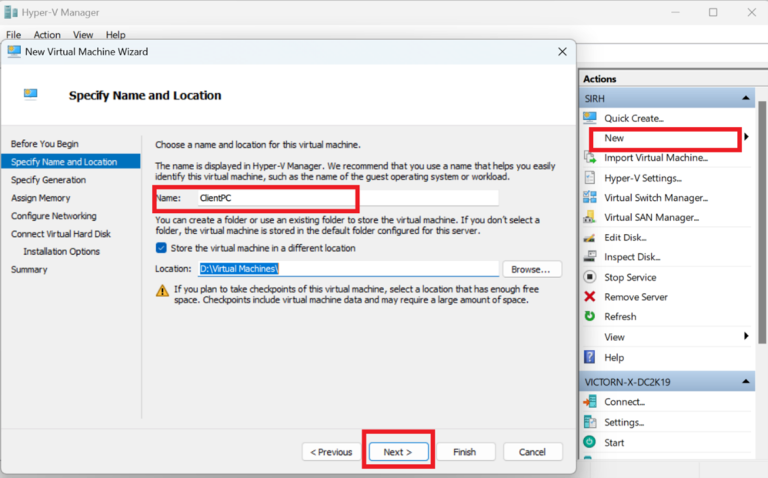
Step-by-Step Guide: Creating a Client Computer and Joining It to a Domain (Hyper-V Lab Setup)

As part of building a realistic domain-based environment, this lab demonstrates how to create a...
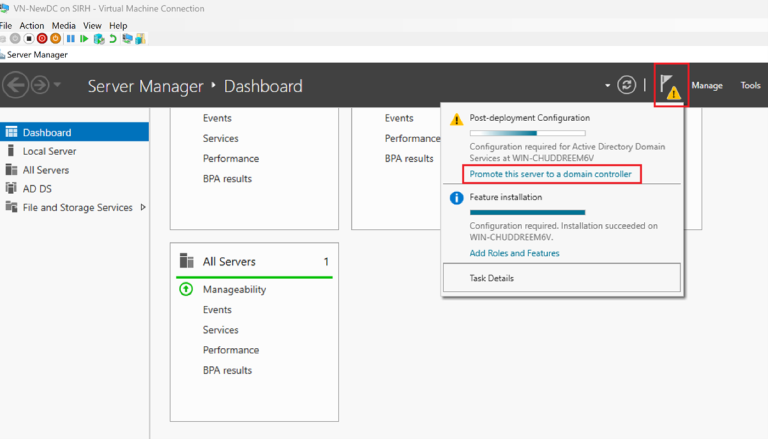
How to Add a Secondary Domain Controller to an Existing Domain (Hyper-V Lab)

As part of strengthening an Active Directory Domain Services (AD DS) environment, this lab...
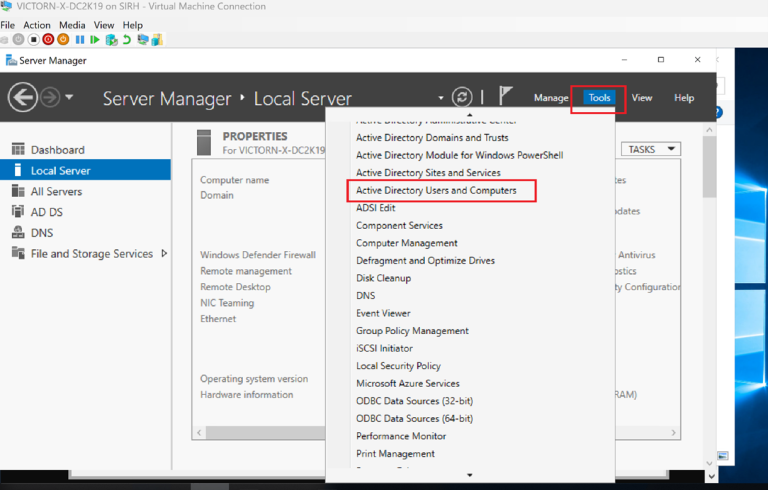
Managing Active Directory: Create OUs, Groups, and Users on Windows Server 2019 (Hyper-V Lab)

After deploying Active Directory Domain Services (AD DS) on a Windows Server 2019 virtual machine...
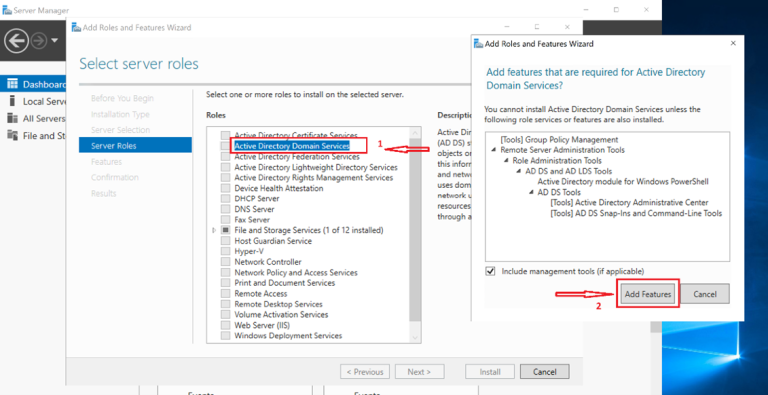
How to Install Active Directory Domain Services (AD DS) on Windows Server using Hyper-V (Step-by-Step Guide)

Active Directory Domain Services (AD DS) remains one of the most essential building blocks in...

This lab covers:

Step 3: Automating Active Directory

Manual administration does not scale in real environments.
Automation is essential for modern Windows Server administration.

This step introduces how Active Directory users and groups are managed using PowerShell.

Core lab:

Automating Active Directory User and Group Management with PowerShell

Step-by-step lab: creating users, OUs, security groups, and group memberships using PowerShell...
Skills covered

⚠️ Automation is essential for modern Windows Server administration.

Additional Active Directory & Group Policy Labs

After mastering the basics, administrators expand into more advanced identity and policy management.

Recommended labs include:

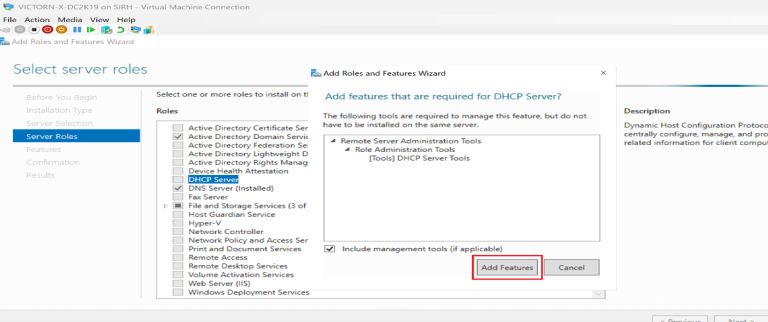
DHCP Server Deployment on Hyper-V: From Scope Creation to Failover Configuration

Step-by-step deployment of a highly available DHCP service in a Hyper-V virtual environment In...
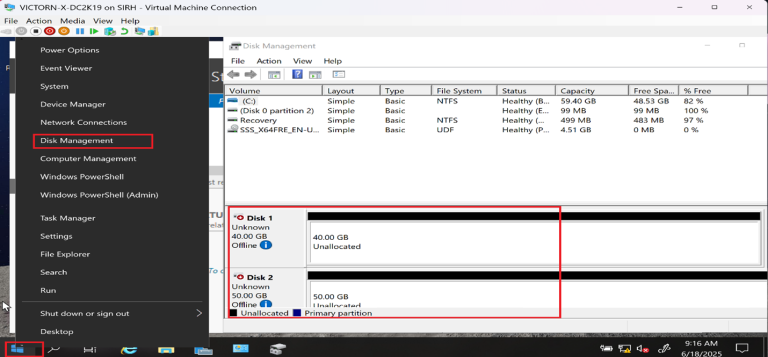
Hands-On Lab: Scalable Hyper-V Storage with iSCSI, VHDs & Storage Pools

Virtual Disks, Storage Pools, and iSCSI – The Hidden Challenges of Hyper-V Storage (And How I...
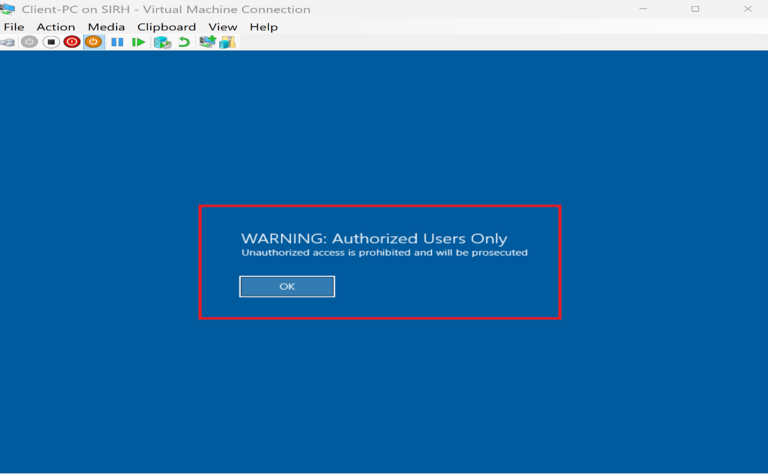
How to Configure Desktop Backgrounds, Power Settings, and Legal Notices Using Group Policy

In this lab, I implemented key Group Policy configurations to standardize system behavior, improve...
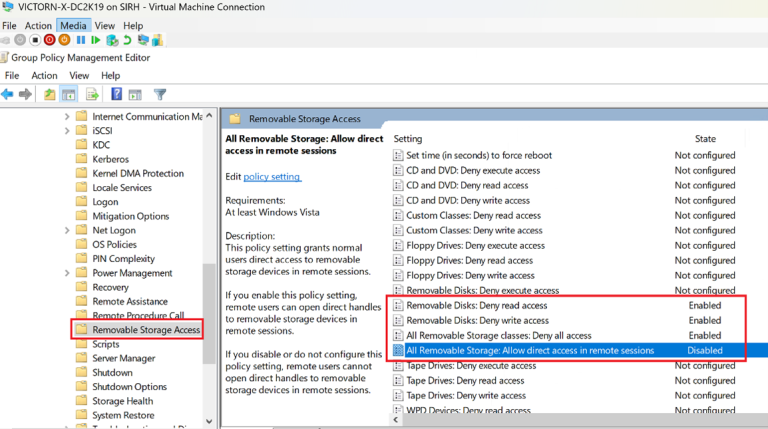
How to Restrict USB and Removable Storage Devices using Group Policy in Active Directory

This lab documents a real-world Group Policy implementation used to restrict USB drives, external...
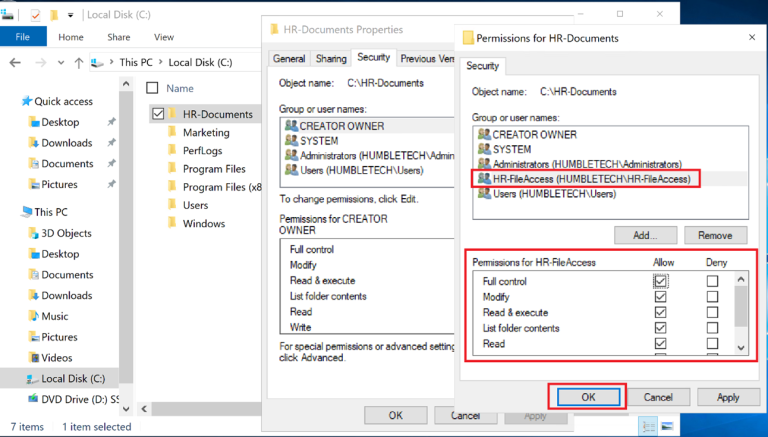
Managing Active Directory: Create OUs, Groups, and Users on Windows Server 2019 (Hyper-V Lab)

After deploying Active Directory Domain Services (AD DS) on a Windows Server 2019 virtual machine...

Windows Server in Real Environments

In real organizations, Windows Server is used for:

Understanding Windows Server administration is essential for working in enterprise IT, cloud, and hybrid environments.

How to Use This Windows Server Learning Path

To get the most value from this section:

All content is educational and informational. No products or paid services are sold.

Closing

Windows Server administration is not just about installing roles; it is about designing, securing, and operating identity infrastructure reliably.

This Windows Server learning path exists to help you understand how enterprise Windows environments actually work, ensuring your skills remain relevant, practical, and production-ready.

We use cookies to personalise content and ads, to provide social media features and to analyse our traffic. We also share information about your use of our site with our social media, advertising and analytics partners. View more
Cookies settings
Accept
Decline
Privacy & Cookie policy
Privacy & Cookies policy
Cookie name Active

Who we are

Suggested text: Our website address is: https://humbletech.cloud.

Comments

Suggested text: When visitors leave comments on the site we collect the data shown in the comments form, and also the visitor’s IP address and browser user agent string to help spam detection. An anonymised string created from your email address (also called a hash) may be provided to the Gravatar service to see if you are using it. The Gravatar service Privacy Policy is available here: https://automattic.com/privacy/. After approval of your comment, your profile picture is visible to the public in the context of your comment.

Media

Suggested text: If you upload images to the website, you should avoid uploading images with embedded location data (EXIF GPS) included. Visitors to the website can download and extract any location data from images on the website.

Cookies

Suggested text: If you leave a comment on our site you may opt in to saving your name, email address and website in cookies. These are for your convenience so that you do not have to fill in your details again when you leave another comment. These cookies will last for one year. If you visit our login page, we will set a temporary cookie to determine if your browser accepts cookies. This cookie contains no personal data and is discarded when you close your browser. When you log in, we will also set up several cookies to save your login information and your screen display choices. Login cookies last for two days, and screen options cookies last for a year. If you select "Remember Me", your login will persist for two weeks. If you log out of your account, the login cookies will be removed. If you edit or publish an article, an additional cookie will be saved in your browser. This cookie includes no personal data and simply indicates the post ID of the article you just edited. It expires after 1 day.

Embedded content from other websites

Suggested text: Articles on this site may include embedded content (e.g. videos, images, articles, etc.). Embedded content from other websites behaves in the exact same way as if the visitor has visited the other website. These websites may collect data about you, use cookies, embed additional third-party tracking, and monitor your interaction with that embedded content, including tracking your interaction with the embedded content if you have an account and are logged in to that website.

Who we share your data with

Suggested text: If you request a password reset, your IP address will be included in the reset email.

How long we retain your data

Suggested text: If you leave a comment, the comment and its metadata are retained indefinitely. This is so we can recognise and approve any follow-up comments automatically instead of holding them in a moderation queue. For users that register on our website (if any), we also store the personal information they provide in their user profile. All users can see, edit, or delete their personal information at any time (except they cannot change their username). Website administrators can also see and edit that information.

What rights you have over your data

Suggested text: If you have an account on this site, or have left comments, you can request to receive an exported file of the personal data we hold about you, including any data you have provided to us. You can also request that we erase any personal data we hold about you. This does not include any data we are obliged to keep for administrative, legal, or security purposes.

Where your data is sent

Suggested text: Visitor comments may be checked through an automated spam detection service.
Save settings
Scroll to Top