Azure

Microsoft Azure concepts, services, and real-world implementations covering cloud infrastructure, identity, networking, security, monitoring, and automation. This category focuses on how Azure is designed, deployed, secured, and operated in production environments, with hands-on labs, architecture explanations, and Infrastructure as Code using Bicep and Terraform.

Automating Azure Infrastructure with Bicep: A Hands-On IaC Lab Using VS Code

Deploying VNets, VMs, IAM, Policies, Monitoring, and Governance using Infrastructure as Code. Manual infrastructure deployment does not scale in modern cloud environments. It’s not just about speed—it’s about consistency, security, and repeatability. When environments are built through one-off portal clicks, teams eventually hit the same problems: Configuration drift: “Dev” and “Prod” stop matching over time. Security gaps: controls get applied inconsistently (or forgotten entirely). Slow change reviews: you can’t easily code review portal changes. Harder governance: tagging, policy enforcement, and access control become unreliable.

Automating Azure Infrastructure with Bicep: A Hands-On IaC Lab Using VS Code Read More »

Setting Up Clean Azure VNets, Subnets & Tagging

A Practical Lab Guide from Beginner to Pro. Behind every secure, reliable, and scalable Azure environment is a well-designed network foundation. Azure networking is often underestimated by beginners. Many rush straight into deploying virtual machines or applications without understanding how traffic flows, how IP addressing works, or how governance is enforced. This usually leads to environments that work “for now” but break under scale, fail security reviews, or require costly redesigns later. Azure Virtual Network (VNet) enables secure communication between Azure resources, provides controlled internet access, and supports hybrid connectivity to on-premises environments. Poor planning at this layer often results in IP exhaustion, security gaps, routing issues, and governance blind spots. In this hands-on lab, you’ll learn how to design and deploy a clean Azure VNet, structure subnets correctly, and apply resource tagging for governance and cost management, the same way it’s done in real enterprise environments. This guide is written as an evergreen reference. You can come back to it whenever you design a new Azure environment, whether for labs, production workloads, or certification preparation.

Setting Up Clean Azure VNets, Subnets & Tagging Read More »

How To Configure Virtual Network Peering in Azure

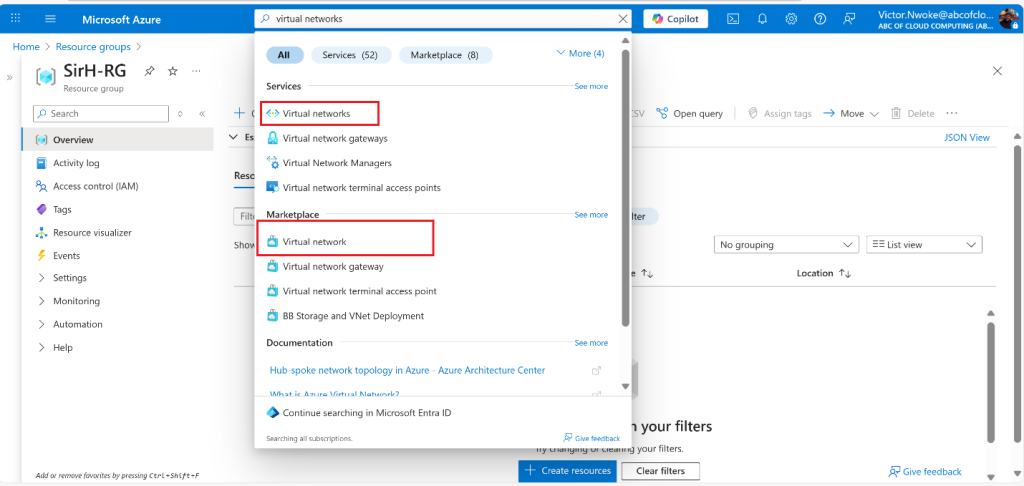
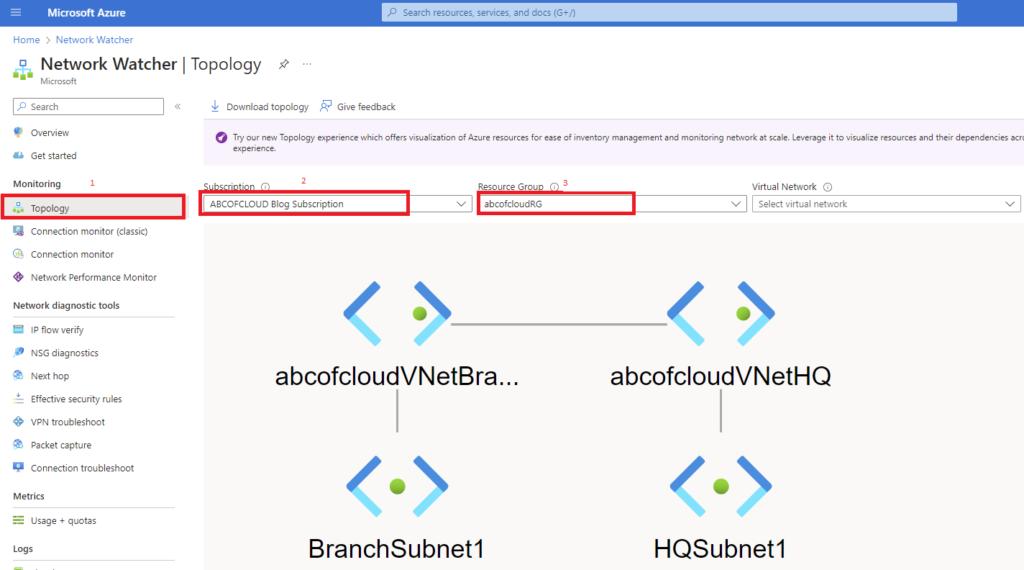
In modern Azure environments, it is common to deploy resources across multiple virtual networks (VNets). These networks may be separated for reasons such as security boundaries, environment isolation (production, staging, development), regional placement, or organizational structure. However, while isolation is important, resources in different VNets often still need to communicate with each other. Azure Virtual Network Peering allows you to connect two or more VNets so that resources within them can communicate privately, securely, and efficiently over the Microsoft backbone network. Once peered, the virtual networks behave as if they are part of a single network, even though they remain logically separate.

How To Configure Virtual Network Peering in Azure Read More »

How to Configure Site-to-Site VPN Connection on Azure

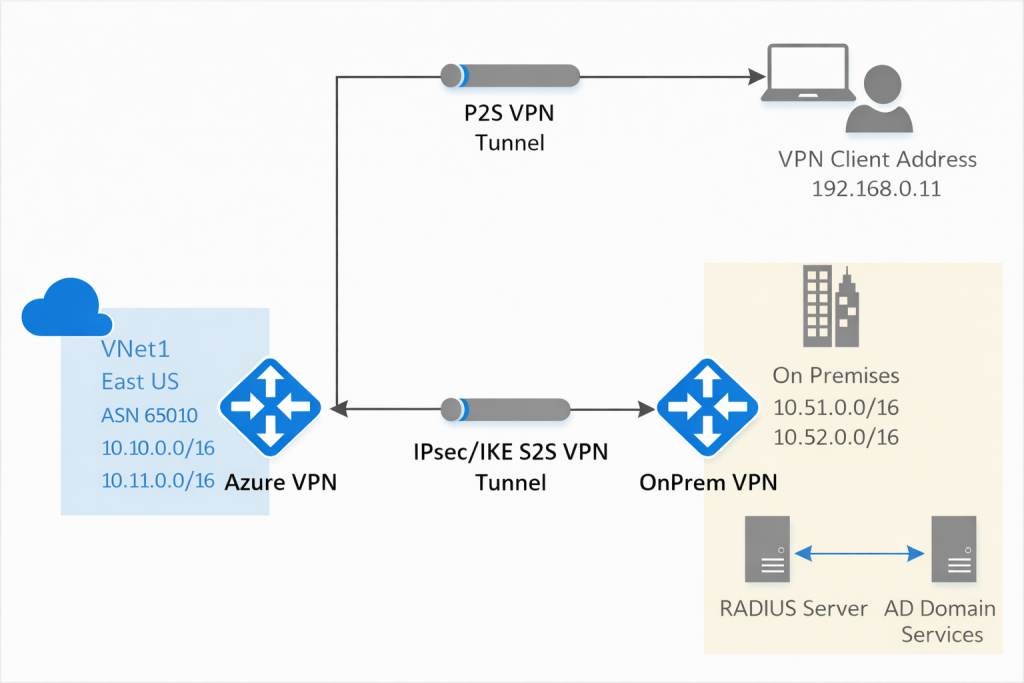
In many real-world cloud environments, organizations need to securely connect their on-premises network to Azure. This is especially common during cloud migrations, hybrid deployments, or when extending existing infrastructure into Azure without exposing services to the public internet. This tutorial walks you through how to configure an Azure Site-to-Site (S2S) VPN connection step by step, using an Azure VPN Gateway. More importantly, this guide does not stop at deployment, you will also verify and test the VPN connection in real time to confirm that traffic is flowing correctly between on-premises and Azure resources. Seeing the configuration actually work is critical. In production environments, a VPN that is “successfully deployed” but not tested is a risk. This tutorial ensures you understand both the configuration and validation process.

How to Configure Site-to-Site VPN Connection on Azure Read More »

How to Set Up a Secure Point-to-Site VPN in Azure

A Hands-On Azure Networking Lab: Virtual Networks, VPN Gateway, and Certificate Authentication. Point-to-Site VPN helps us connect a client computer to an Azure virtual network securely. This simply means you can connect to a compute resource using its private IP on the Azure Virtual Network. Secure remote access is a common requirement in cloud projects. In this lab, a Point-to-Site (P2S) VPN is configured so a client computer can connect to an Azure Virtual Network (VNet) and reach resources using private IP addresses. What is Point-to-Site VPN A Point-to-Site (P2S) VPN gateway creates a secure connection from an individual client device to an Azure VNet. The connection is initiated from the client machine, making it a practical choice for remote workers or scenarios where only a few clients need access to the VNet, such as from home or a conference. P2S VPN is also a useful solution to use instead of S2S VPN when you have only a few clients that need to connect to a VNet.

How to Set Up a Secure Point-to-Site VPN in Azure Read More »

How to Configure Azure File Sync

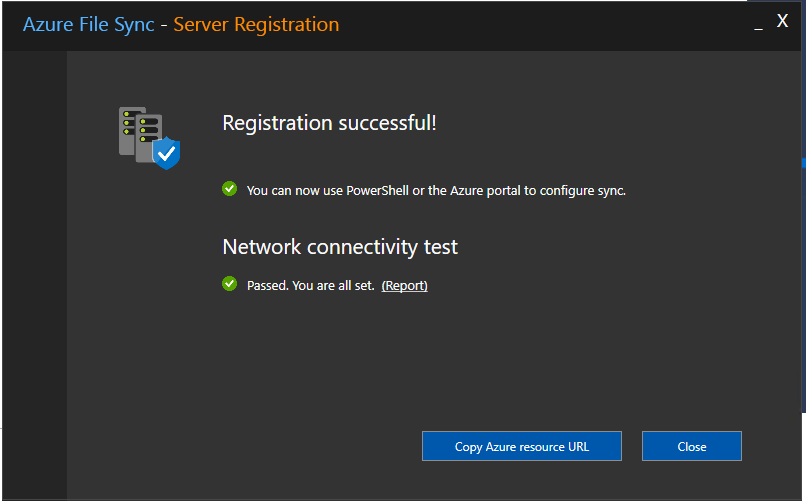
For many years, organizations have relied on traditional methods of sharing files, most commonly through mapped network drives connected to on‑premises Windows servers. This approach has served businesses well, especially those with domain‑joined computers and centralized IT infrastructure. However, as organizations grow, adopt hybrid work models, and support remote or non–domain‑joined devices, these legacy methods start to show limitations. Companies increasingly need highly available, scalable, and secure file-sharing solutions that work across locations, devices, and networks. This is where Azure File Sync becomes a game‑changer. Azure File Sync allows you to modernize your existing file server infrastructure without losing the performance, compatibility, and familiarity of your on‑premises Windows file servers. It enables your files to sync automatically to Azure, giving you centralized cloud storage, global access, improved redundancy, and tiered storage that optimizes disk usage. In this guide, I’ll walk you step-by-step through setting up Azure File Sync, configuring both local and cloud file shares, and demonstrating how files stay available and synchronized across: ✔ A domain‑joined computer connected to your local server ✔ A non–domain‑joined computer mapped directly to Azure Storage By the end, you will clearly see how Azure File Sync provides seamless file availability across your entire organization—whether on-premises or in the cloud.

How to Configure Azure File Sync Read More »

Cloud Computing Explained: Models, Architecture, Security, and Real-World Use

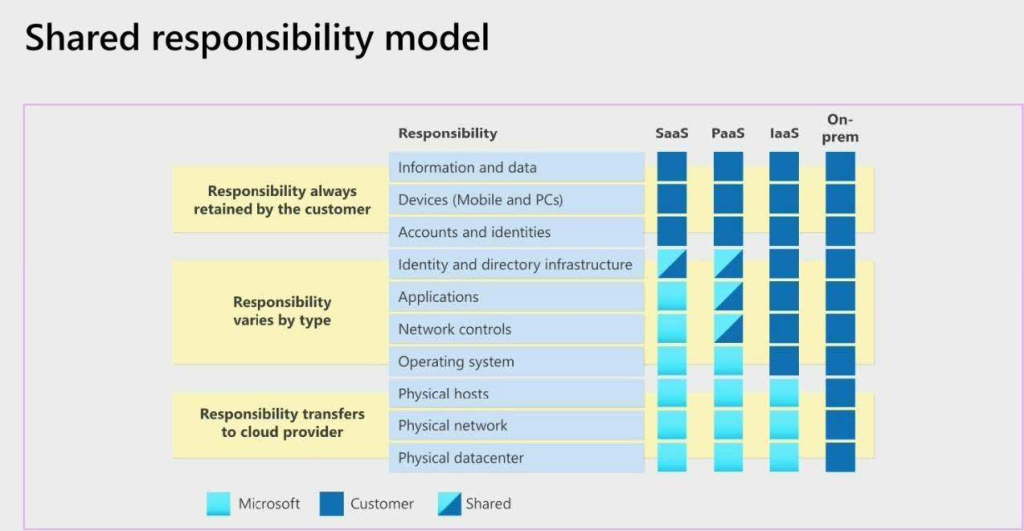
Modern businesses rely on technology to operate, scale, and compete. Traditionally, this meant running physical data centers filled with servers, networking equipment, and storage systems. While this on-premises approach offers control, it also introduces high upfront costs, ongoing maintenance, and limited flexibility. Cloud computing emerged as a response to these limitations. Instead of buying infrastructure that may sit idle for months, organizations can access computing resources on demand and scale them instantly based on real business needs. This guide explains cloud computing from first principles, connects theory to real-world architectures, and shows how platforms like Microsoft Azure fit into the modern cloud ecosystem.

Cloud Computing Explained: Models, Architecture, Security, and Real-World Use Read More »

We use cookies to personalise content and ads, to provide social media features and to analyse our traffic. We also share information about your use of our site with our social media, advertising and analytics partners. View more
Cookies settings
Accept
Decline
Privacy & Cookie policy
Privacy & Cookies policy
Cookie name Active

Who we are

Suggested text: Our website address is: https://humbletech.cloud.

Comments

Suggested text: When visitors leave comments on the site we collect the data shown in the comments form, and also the visitor’s IP address and browser user agent string to help spam detection. An anonymised string created from your email address (also called a hash) may be provided to the Gravatar service to see if you are using it. The Gravatar service Privacy Policy is available here: https://automattic.com/privacy/. After approval of your comment, your profile picture is visible to the public in the context of your comment.

Media

Suggested text: If you upload images to the website, you should avoid uploading images with embedded location data (EXIF GPS) included. Visitors to the website can download and extract any location data from images on the website.

Cookies

Suggested text: If you leave a comment on our site you may opt in to saving your name, email address and website in cookies. These are for your convenience so that you do not have to fill in your details again when you leave another comment. These cookies will last for one year. If you visit our login page, we will set a temporary cookie to determine if your browser accepts cookies. This cookie contains no personal data and is discarded when you close your browser. When you log in, we will also set up several cookies to save your login information and your screen display choices. Login cookies last for two days, and screen options cookies last for a year. If you select "Remember Me", your login will persist for two weeks. If you log out of your account, the login cookies will be removed. If you edit or publish an article, an additional cookie will be saved in your browser. This cookie includes no personal data and simply indicates the post ID of the article you just edited. It expires after 1 day.

Embedded content from other websites

Suggested text: Articles on this site may include embedded content (e.g. videos, images, articles, etc.). Embedded content from other websites behaves in the exact same way as if the visitor has visited the other website. These websites may collect data about you, use cookies, embed additional third-party tracking, and monitor your interaction with that embedded content, including tracking your interaction with the embedded content if you have an account and are logged in to that website.

Who we share your data with

Suggested text: If you request a password reset, your IP address will be included in the reset email.

How long we retain your data

Suggested text: If you leave a comment, the comment and its metadata are retained indefinitely. This is so we can recognise and approve any follow-up comments automatically instead of holding them in a moderation queue. For users that register on our website (if any), we also store the personal information they provide in their user profile. All users can see, edit, or delete their personal information at any time (except they cannot change their username). Website administrators can also see and edit that information.

What rights you have over your data

Suggested text: If you have an account on this site, or have left comments, you can request to receive an exported file of the personal data we hold about you, including any data you have provided to us. You can also request that we erase any personal data we hold about you. This does not include any data we are obliged to keep for administrative, legal, or security purposes.

Where your data is sent

Suggested text: Visitor comments may be checked through an automated spam detection service.
Save settings
Scroll to Top